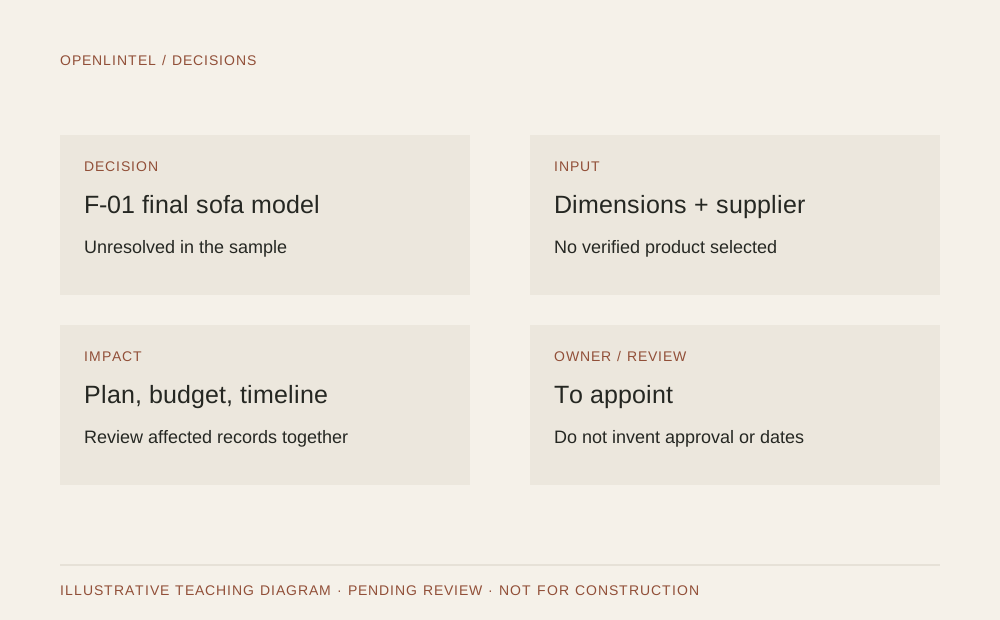
Preserve the baseline before discussing the candidate
The original Window Room F-01 record is a linen two-seat sofa concept, quantity one, with model and dimensions unresolved. It remains R0, pending review, and not ordered. The exercise below proposes a replacement review; it does not change the published sample or create an actual R1 approval.
Name a change record in your own project system and state what prompted it. Preserve the current specification and linked issue. Record who requested the change only when known; a request is not authority to purchase.
| Field | Current illustrative baseline | Proposed-change exercise |
|---|---|---|
| Reference | F-01, The Window Room. | Keep F-01 while reviewing the replacement for the same design role. |
| Selection | Linen two-seat sofa concept. | Candidate alternative; no real model selected in this exercise. |
| Evidence | No verified model, dimensions, or quote. | Request candidate information and identify its source. |
| State | R0; pending review; not ordered. | Change under review; no new issue or purchasing approval represented. |
Review the affected records together
Use an impact record to distinguish “changed,” “checked and unchanged,” and “still unresolved.” Do not mark a document unaffected just because nobody has opened it yet. A replacement can keep quantity one while still changing the footprint, finish, delivery route, or cost assumptions.
| Record to inspect | Question to answer | Evidence before closing the item |
|---|---|---|
| Specification F-01 | What exactly is the candidate? | Sourced model, dimensions, finish, supplier information, and remaining limitations. |
| WR-01 plan | Does the actual envelope change the proposed relationships? | Appropriate dimensional and movement review using verified project inputs. |
| FF&E register | Does count, room placement, or purchasing unit change? | Reconciled item record; not a new item merely because it appears in another view. |
| Budget | Which quote or allowance is affected? | Dated source, currency, inclusions, additional costs, and unresolved lines. |
| Timeline | Does the replacement affect a dependency? | Confirmed supplier information and an agreed decision sequence; no guessed dates. |
| Presentation / handoff | Would recipients still see the superseded selection? | Current issue index and clearly labeled superseded material. |
Keep the three decisions separate
The client may prefer the replacement visually. A relevant professional may still need to review its suitability for the project. The purchasing party may still need current commercial information and authority. Record the actual decision, scope, person, and source rather than applying one “approved” label to all three.
If a candidate is rejected, retain the outcome and reason with the baseline. If it advances but dimensions remain unresolved, the next issue must show that limitation. Do not make an issue appear coordinated by hiding open work.
Release an identifiable set, not several unrelated finals
Once the required review for the intended use is complete, update the affected records together and publish an issue index. Identify what changed and the recipients who need it. Preserve the superseded issue in the project system, with its status clear so it is not accidentally reused.
Have someone follow F-01 from the current plan to its specification and register without relying on memory. Check the budget and timeline entries against the same change. If a record remains open, name the next action and whether that gap prevents the proposed use of the issue.
- Record the request, candidate, and unchanged baseline.
- Inspect and classify all affected records.
- Obtain the distinct reviews needed for the intended next action.
- Issue a current index and change summary with unresolved items visible.
Before you move on
- Is the prior issue preserved and the proposed change clearly distinguished?
- Does the impact record include budget, timing, and downstream views?
- Is every approval limited to the decision actually made?
About this resource
Authored by OpenLintel with AI assistance. Examples are illustrative and have not received independent professional review. Adapt the structure to your practice and verify project-specific information. No legal agreement, regulatory compliance, or construction readiness is represented.
See the information connect
Follow the corresponding chapter of The Window Room: one illustrative brief, one selected direction, and coordinated sample references.
Explore the sample handoffDiscuss your studio’s workflow
If revisions are your coordination bottleneck, discuss one non-confidential example of a change that was hard to track in a pilot discovery conversation.
Request a pilot discovery conversation